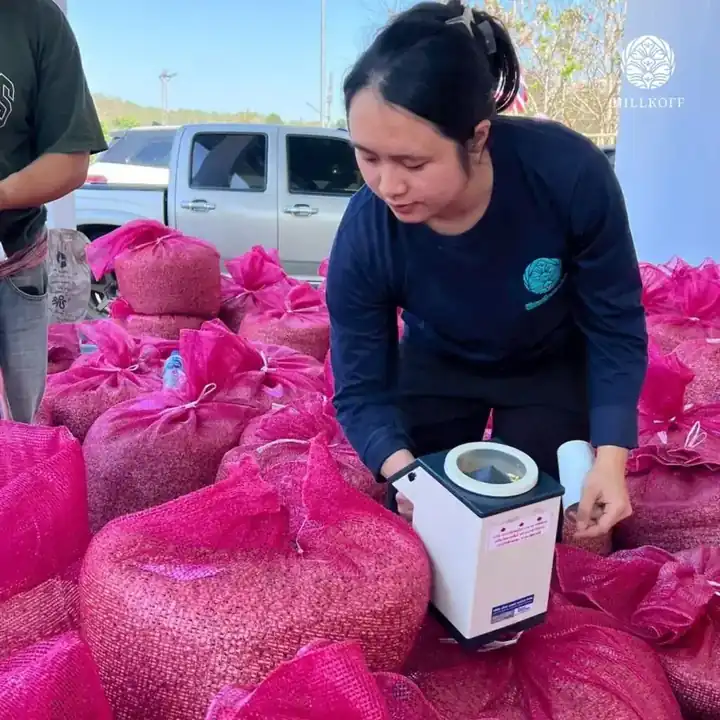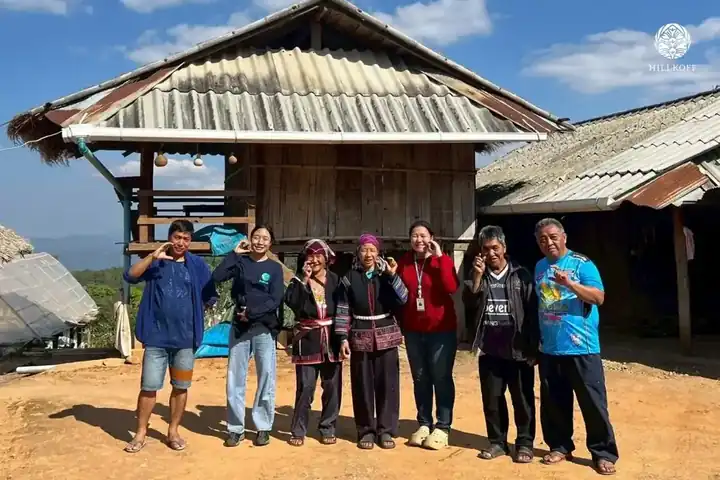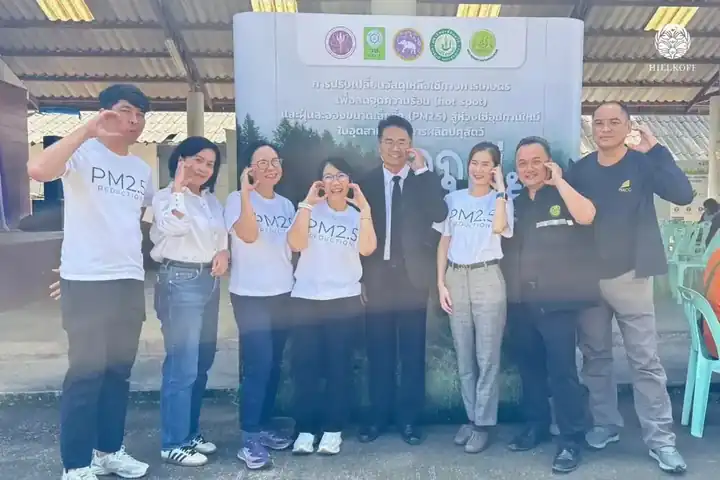
In line with the policy of expanding Thailand's coffee growing area sustainably, the National Research Council of Thailand (NRCT), under the Ministry of Higher Education, Science, Research and Innovation (MHESI), gave Maejo University an important task: to support and develop coffee farmers in the highlands of Chiang Rai, as part of tackling PM 2.5.
Domestic demand for coffee keeps rising, and government policy aims to keep expanding the area under quality coffee in Thailand.
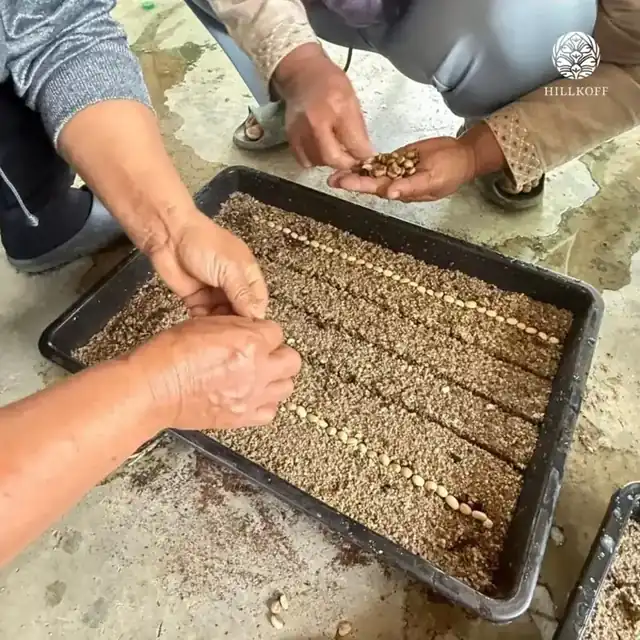
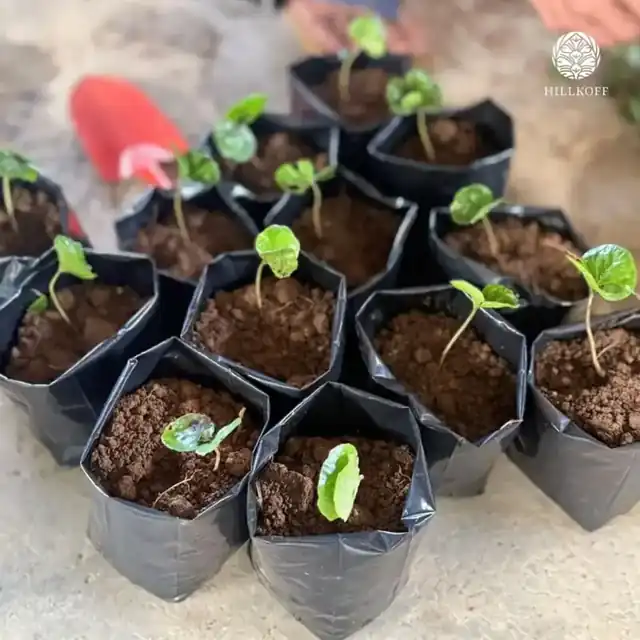
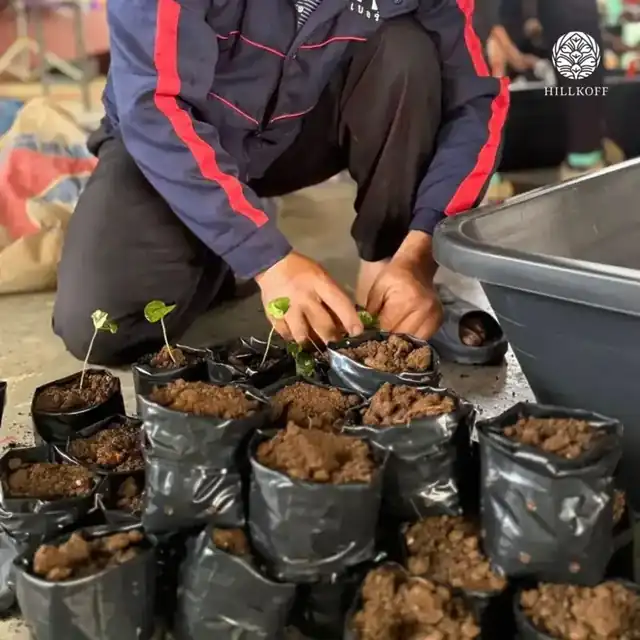
“Good seedlings” are the heart of improving the yield of the whole system.
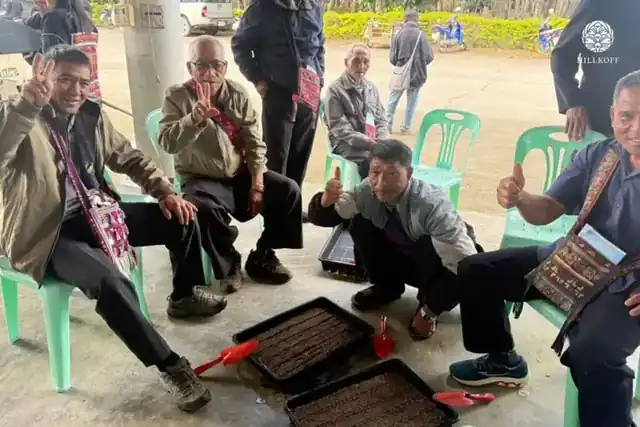
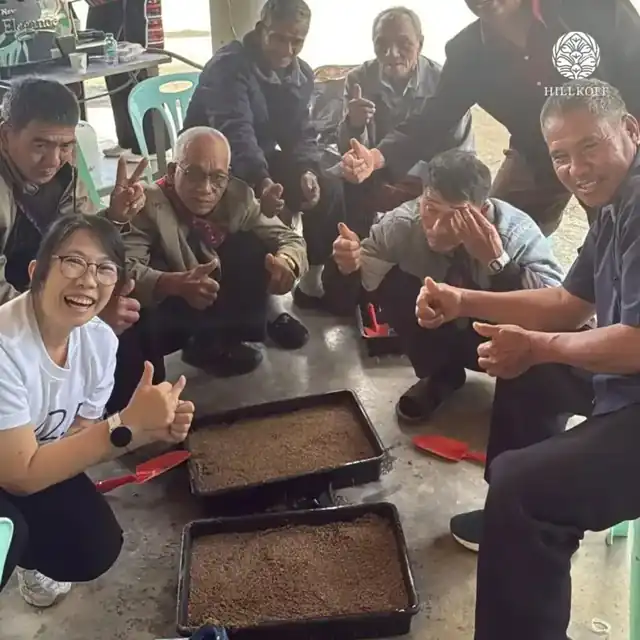
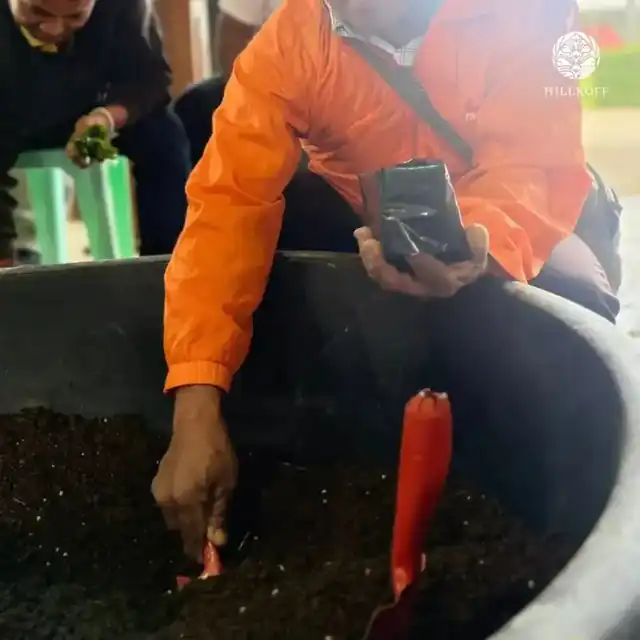
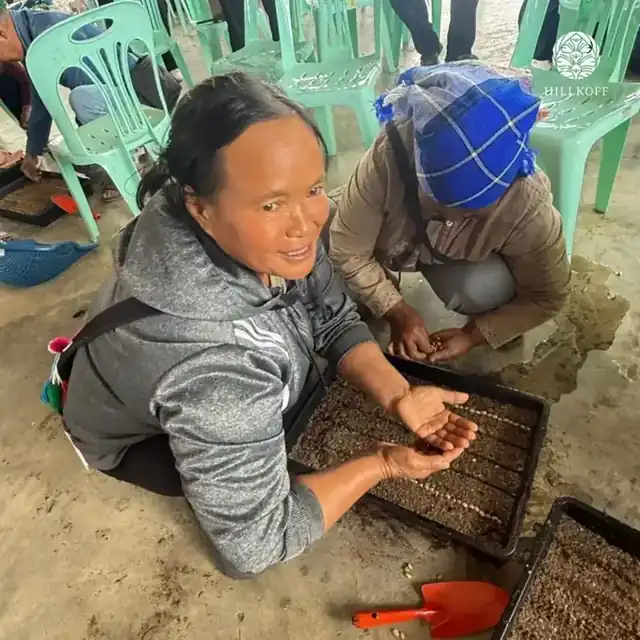
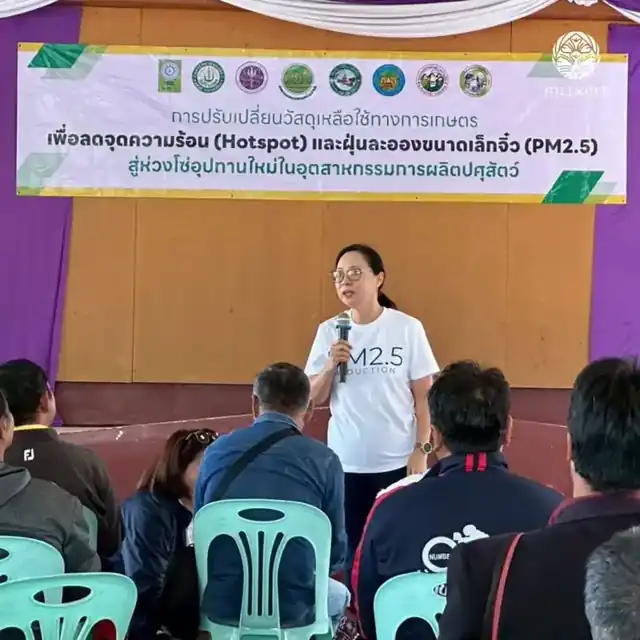
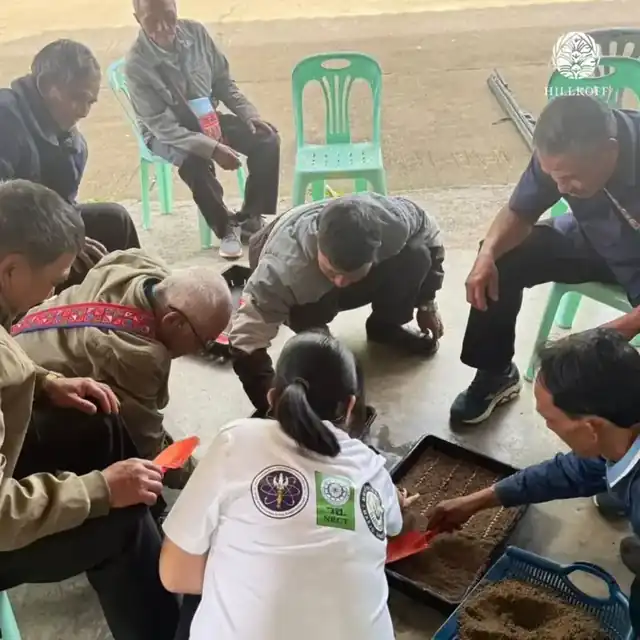
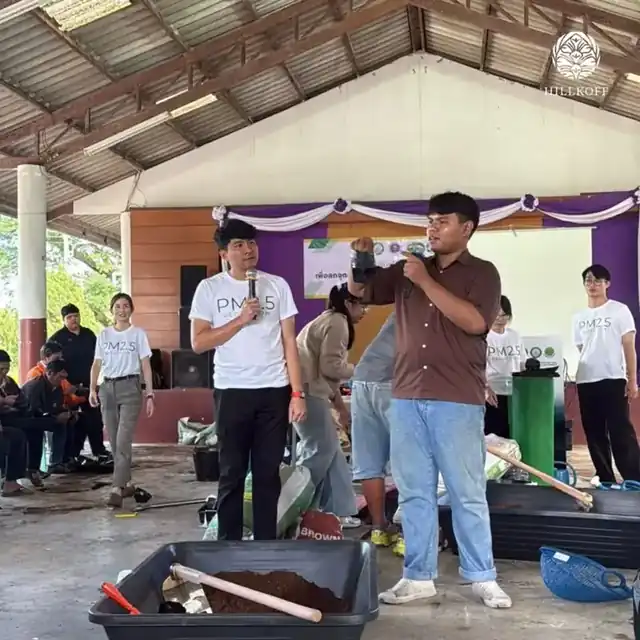
Today Hillkoff visited Ban Mae Yao, Mueang District, Chiang Rai, together with Maejo University, to share knowledge on raising coffee seedlings to standard with the farmers, so that they can produce quality seedlings themselves in future.
In this activity, farmers learned in depth and by doing
• how to select suitable seeds
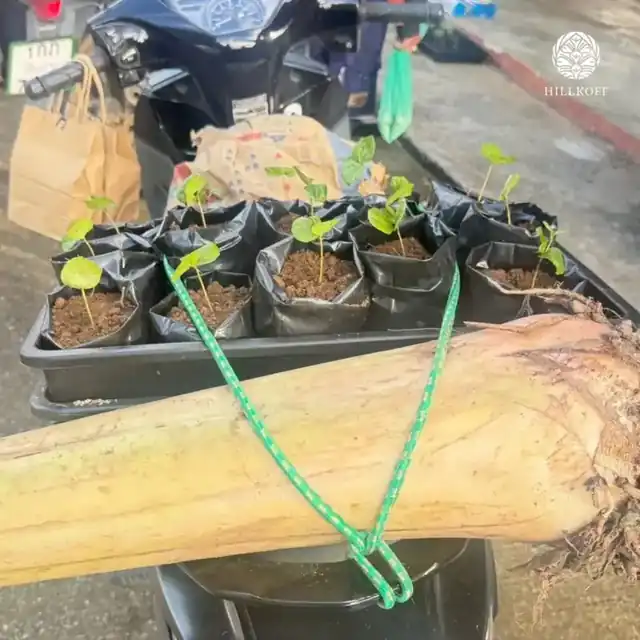
• techniques for raising seedlings with strong roots and a high germination rate
• preparing soil and organic growing media
• caring for seedlings until they are ready to transplant
• why starting with quality seedlings matters for yields in the long term
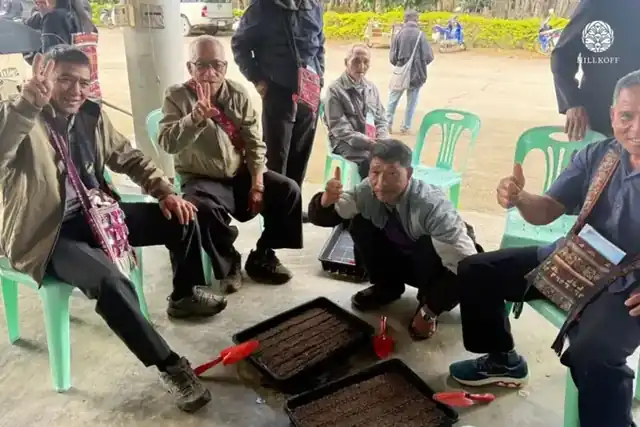

Building farmers' ability to “raise good seedlings themselves” helps to
• reduce the work of extension in future, and reduce greenhouse gases too
• make communities more self-reliant and lower production costs
• ensure the country's coffee area expands with quality
• build a strong production base right from the start
Growing coffee in the highlands also helps reduce the burning of forest and fields, a cause of PM2.5 and a large source of carbon emissions.
In the highlands, promoting coffee as a system
• helps replace shifting cultivation
• reduces the incentive to burn to prepare land
• creates income without degrading the forest
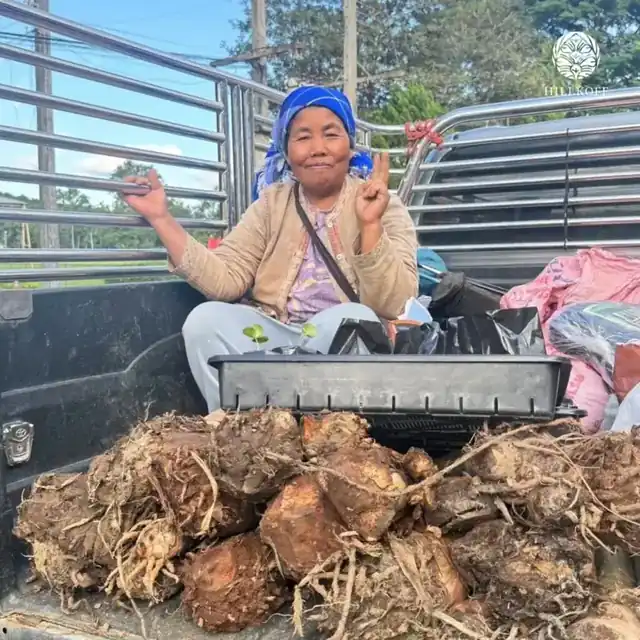

Hillkoff believes that investing in “people's knowledge and skills” is the best shortcut to sustainability, and we are glad to play a part in supporting farmers' development, so that Thai coffee can grow steadily both at home and in world markets.